
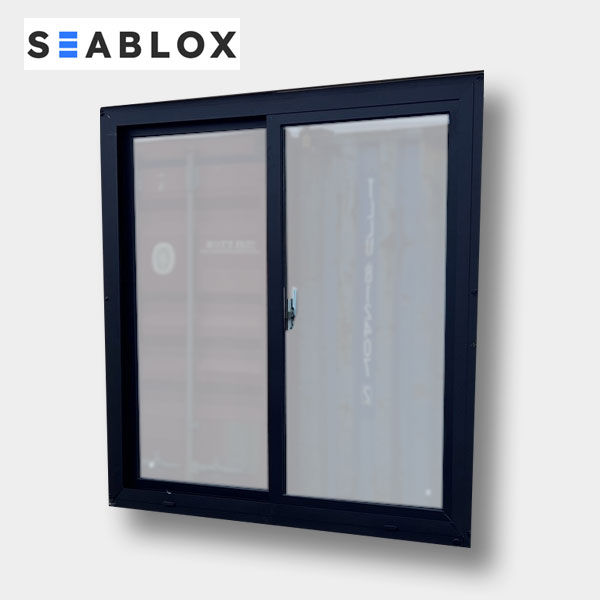
Installing windows in a shipping container is one of the most effective ways to improve comfort, usability, and functionality when converting a container into a workspace, storage unit, office, or living area. Shipping containers are built from solid steel and designed for transporting cargo, which means they usually have no natural light or ventilation. Without proper airflow and daylight, the interior of a container can quickly become dark, hot, and uncomfortable for everyday use.
Because of this, many container owners start researching how to install a window into a shipping container as part of their conversion project. However, installing a window in a container is different from working with traditional building walls. Container panels are made from corrugated steel, and standard residential windows often require additional framing, welding, or costly structural modifications to fit correctly.
To solve these challenges, purpose-built container window kits have become a popular solution for both contractors and DIY builders. These windows are designed specifically for container walls and align with the corrugated steel structure, allowing for cleaner and more predictable installation. Many modern container windows can also be installed using rivets instead of welding, making the process faster, more affordable, and much more accessible for container modification projects.
Why Install a Window in a Shipping Container?
When converting a container into a usable space, installing a shipping container window is one of the most effective upgrades you can make. Containers are originally designed for transporting cargo, which means they are fully enclosed steel structures with no natural light or airflow. While this works perfectly for shipping purposes, it creates an uncomfortable environment when the container is used as a workshop, office, storage unit, or living space.
A properly installed window for shipping container projects can significantly improve usability and interior comfort. Natural light makes the interior brighter and more functional, while ventilation helps regulate temperature and reduce humidity inside the container. This is especially important for container conversions that are used regularly throughout the day.
Adding a window to a shipping container provides several practical advantages:
- Increased natural light inside the container
- Improved airflow and interior ventilation
- Better working conditions for workshops or container offices
- Reduced interior heat buildup during warm weather
- A more comfortable and usable interior space
Because of these benefits, installing a shipping container window kit has become a standard step in many container modification projects. When the right window system is used, the container becomes much more practical for everyday use.
TIP: A container window with frame designed specifically for container walls helps ensure proper alignment with steel corrugations and creates a cleaner, more professional installation.
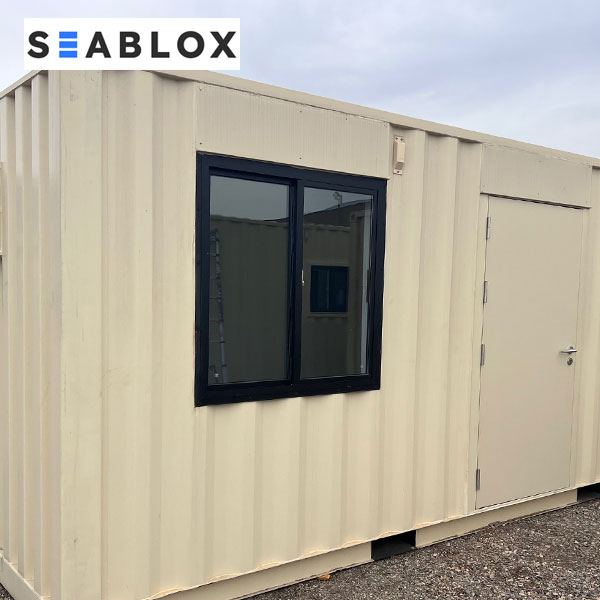
Common Challenges When Installing a Window in a Shipping Container
Although installing a window in a container may seem straightforward, several challenges can appear if the wrong type of window is used. Shipping containers are built from corrugated steel panels that provide structural strength, which means cutting an opening and fitting a window must be done carefully to maintain the integrity of the container wall.
One of the most common mistakes is attempting to install a standard residential window that was never designed for container structures. Traditional window frames often do not match the shape of container corrugations and usually require additional welding, framing, or structural modifications.
When installing a window in a shipping container, several common problems can occur:
- Standard window frames may not align with container corrugations
- Additional welding or fabrication may be required
- Higher installation costs due to specialized labor
- Poor sealing that allows moisture or dust to enter
- Structural issues if the opening is not properly reinforced
Using a purpose-built aluminum window for shipping container conversions can help eliminate many of these issues. These systems are designed to align with container walls and often come as a shipping container window kit, which simplifies installation and reduces the need for complex fabrication work.
TIP: A properly designed shipping container window with frame allows the window to be secured using rivets instead of welding, making installation faster and more accessible for DIY builders.
Choosing the Right Window for a Shipping Container
When planning a container conversion project, selecting the right window system is just as important as the installation itself. Shipping containers are built from corrugated steel panels that provide structural strength, so any window installed in the wall must fit securely within that structure. Using a window designed specifically for container applications helps ensure proper alignment, reliable sealing, and long-term durability.
A purpose-built window for shipping container projects is engineered to work with the container’s steel corrugations and structural layout. This allows the unit to sit properly within the opening while maintaining the stability of the surrounding wall. As a result, the installation process becomes more predictable and the finished result looks cleaner and more professional.
When choosing a window system for a container modification, several factors should be considered:
- Compatibility with corrugated container walls
- Reliable sealing to prevent moisture and dust intrusion
- Durable materials suitable for outdoor environments
- Ventilation to improve airflow inside the container
- A frame design that supports secure and stable installation
Selecting the right window solution can significantly simplify the entire project. A well-designed window unit helps avoid unnecessary fabrication work and ensures the container remains structurally sound after the opening is created.
TIP: Windows designed specifically for container conversions are often supplied as part of a complete shipping container window kit, which helps ensure proper fit and faster installation.
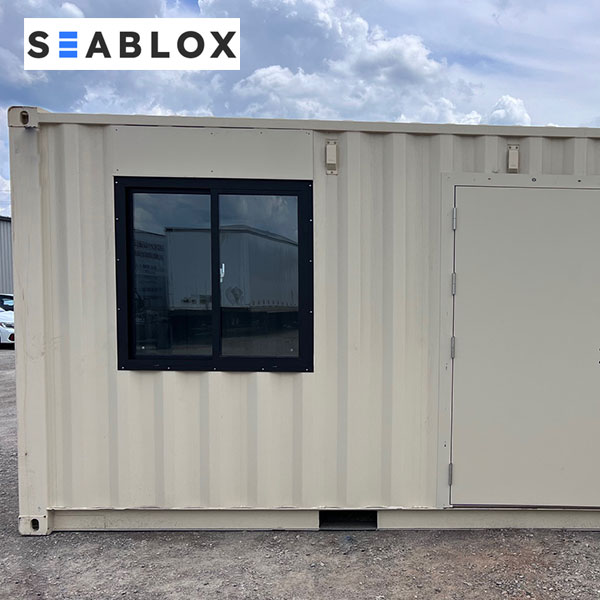
Benefits of Using a Container Window with Frame
One of the most important features when installing a window in a container wall is the presence of a reinforced frame. A container window with frame helps stabilize the opening once the steel panel has been cut, distributing structural stress and ensuring the window sits securely in place.
Without a proper frame, the cut section of the container wall can lose rigidity, which may lead to alignment issues or sealing problems over time. A framed window system acts as a structural support that strengthens the surrounding metal and creates a clean interface between the container wall and the window unit.
A window system with an integrated frame provides several practical advantages:
- Increased structural stability around the cut opening
- Improved alignment with the container wall profile
- Better sealing against rain, dust, and external elements
- A cleaner and more professional finished appearance
- Greater long-term durability in outdoor environments
For container conversions used as workshops, offices, or storage spaces, these advantages play an important role in maintaining comfort and protecting the interior from weather exposure.
TIP: Many modern shipping container window systems use corrosion-resistant aluminum frames that resist rust and maintain their appearance even in demanding outdoor environments.
Preparing the Container Wall for Window Installation
Before installing a window in a shipping container, the wall opening must be carefully prepared. Containers are made from corrugated steel panels that provide structural strength, so cutting an opening requires accuracy and proper planning. A well-prepared opening allows the window frame to sit flush with the container wall and ensures a secure installation.
The first step is marking the correct position for the window according to the frame dimensions. This helps ensure the opening is aligned and provides enough space for the window frame and sealing materials. Once the measurements are confirmed, the opening can be cut using appropriate metal cutting tools.
Preparing the container wall typically involves several steps:
- Mark the window opening based on the frame dimensions
- Check alignment and level before cutting
- Use tools such as an angle grinder or plasma cutter
- Cut carefully along the marked lines
- Smooth and clean the edges of the opening
Taking time during this stage helps ensure the installation process is easier and the final result looks clean and professional.
TIP: Accurate measurements are essential when cutting a container wall. Even small alignment errors can make the window installation more difficult.
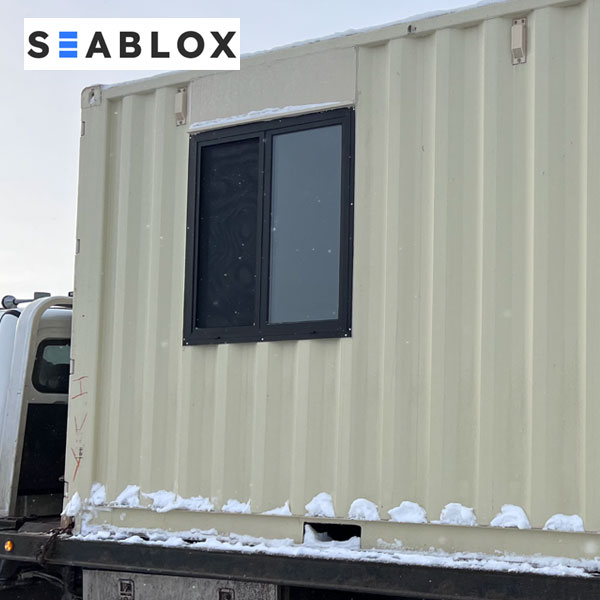
Step-by-Step Guide to Installing a Window in a Shipping Container
Once the opening has been prepared, the window can be installed into the container wall. Using a purpose-built window designed for container structures helps simplify the process because the frame is engineered to fit corrugated steel panels and maintain structural stability.
Below is a typical installation sequence used in many container modification projects.
Mark and Cut the Opening
The first step is marking the exact window position and cutting the opening according to the frame dimensions. A clean and accurate cut allows the window frame to sit correctly within the container wall.
Insert the Window Unit
After the opening is prepared, the pre-assembled window unit can be inserted into the container wall. The frame should sit evenly within the opening and align with the container surface.
Secure the Frame with Rivets
Once the window is positioned correctly, the frame can be secured using rivets. This method allows the window to be installed without welding while still providing a strong and reliable connection.
Seal the Window Perimeter
The final step is sealing the edges around the frame to protect the interior from moisture and weather exposure. Proper sealing ensures watertight performance and long-term durability.
TIP: Many container windows are designed for weld-free installation using rivets, making the installation process faster and more accessible for DIY builders.
Conclusion: Installing a Window in a Shipping Container
Installing a window in a shipping container is one of the most effective ways to improve the usability and comfort of a container conversion. Whether the container is used as a workshop, storage space, office, or living area, adding a properly designed window allows natural light, better ventilation, and a more functional interior environment.
However, working with corrugated steel walls requires the right approach and the right window system. Windows designed specifically for container structures simplify the installation process, reduce the need for complex fabrication, and help maintain the structural integrity of the container wall. Using a purpose-built container window kit also helps ensure proper alignment, reliable sealing, and long-term durability.
With accurate measurements, careful preparation, and the right window solution, installing a window in a shipping container can be a straightforward upgrade that significantly improves the overall usability of the structure. A well-installed window not only enhances comfort but also creates a cleaner, more professional finish for any container conversion project.