
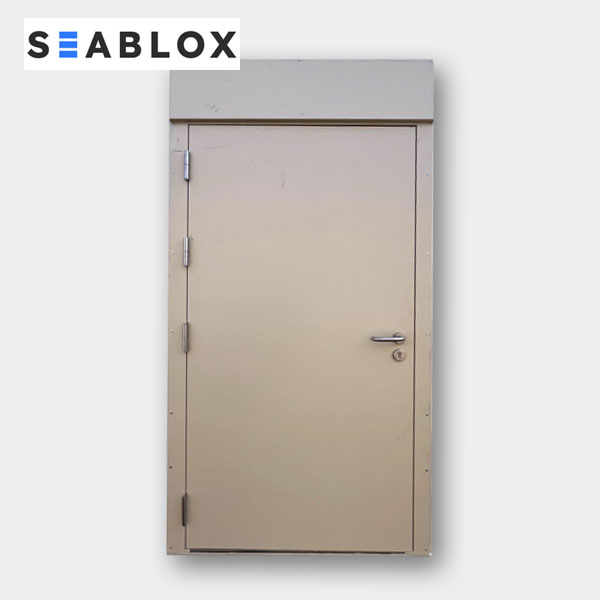
Shipping containers are no longer used only for cargo transport or basic storage. Today, they are widely converted into workshops, mobile offices, equipment rooms, retail units, and other practical spaces that need to be secure, functional, and easy to access. One of the first challenges in almost any container conversion project is entry. Standard cargo doors work well for loading and unloading, but they are heavy, bulky, and inconvenient for daily use, especially when the container is opened several times a day.
That is why many owners and contractors start looking for a better solution and ask how to install a door in a shipping container without turning the project into a complex fabrication job. A properly selected man door can make the container much more practical, improve accessibility, and create a more professional finished result. At the same time, not every door option is suitable for container walls, structural corrugations, and outdoor exposure. Choosing the wrong solution can lead to unnecessary cutting, extra welding, poor sealing, or long-term maintenance issues.
In this guide, we will look at what to consider before adding a door to a container, why purpose-built door kits are often the best choice, and how a no-weld installation approach can simplify the process. We will also cover the real advantages of using a shipping container man door, including better everyday access, improved security, and stronger protection against rain, wind, and moisture. Whether the container is being modified for storage, work, or commercial use, understanding the right installation approach can save time, reduce labor, and help achieve a cleaner final result.
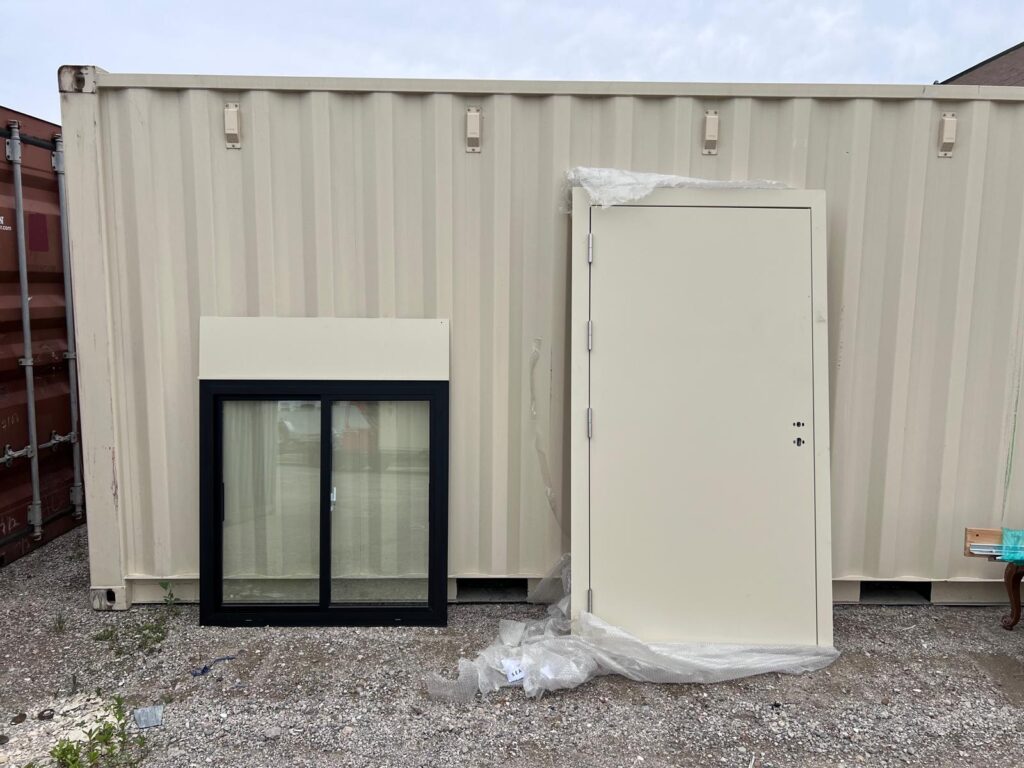
Why Install a Door in a Shipping Container?
Shipping containers are designed primarily for transporting cargo across long distances. Their original double cargo doors work perfectly for loading and unloading large items, but they are not always practical for everyday use. When a container is converted into a storage unit, workshop, office, or equipment room, opening the large rear doors every time someone needs to enter quickly becomes inconvenient. This is one of the main reasons many owners decide to install an additional entry door.
Adding a properly designed container door makes the space significantly easier to use while maintaining security and structural stability. A dedicated man door allows quick access without having to fully open the cargo doors and provides a more comfortable entry point for daily activity.
A man door installed in a container offers several practical advantages:
- Easier and faster daily access
- Improved convenience for workshops, storage units, and offices
- Better control over security and locking systems
- Reduced wear on original cargo doors
- More practical access for frequently used spaces
After installation, the container functions more like a standard building or workspace rather than a cargo unit. This small modification often becomes one of the most important upgrades when converting a shipping container for practical use.
TIP: When planning to add a door to a container, it is important to choose a door system designed specifically for container walls. Standard residential doors often require additional fabrication and may not align properly with container corrugations.
Common Problems When Adding a Door to a Shipping Container
Although installing a door in a container may seem like a straightforward modification, many projects become more complicated than expected. Containers are built from corrugated steel designed to handle heavy loads and long-distance transport. Cutting into that structure without the right preparation can create alignment issues, sealing problems, or unnecessary structural stress.
Another common issue is that many people initially try to install standard residential doors. While this might appear to be a simple solution, typical home doors are not designed to match container wall profiles or withstand the conditions containers are exposed to outdoors.
Several challenges often appear when installing the wrong type of door:
- Difficulty aligning the door with container corrugations
- Extra fabrication work to create a custom frame
- The need for welding equipment and skilled labor
- Poor weather sealing that allows water or dust to enter
- Structural weakening if the opening is not properly reinforced
Because of these factors, many container modification projects end up taking longer and costing more than expected. Using a purpose-built door system designed specifically for container conversions helps avoid many of these issues and significantly simplifies the installation process.
TIP: A door kit designed for shipping containers often includes a reinforced frame, weather sealing, and mounting points that allow installation with rivets instead of welding, making the project much easier for both professionals and experienced DIY builders.
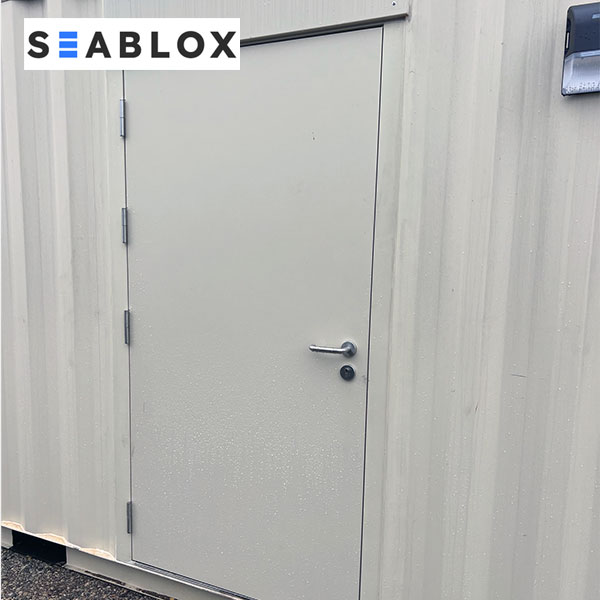
Types of Doors You Can Install in a Shipping Container
When planning a container conversion project, choosing the right door type is an important step. Different containers serve different purposes – from storage units and workshops to mobile offices or equipment rooms. Because of this, the type of door you install can directly affect accessibility, security, and long-term durability.
Before installing a door in a shipping container, it’s useful to understand the most common door options used in container modification projects. Each solution offers its own advantages depending on how the container will be used and how often it needs to be accessed.
The most common door options used when installing a door in a shipping container include:
- Man doors designed specifically for container walls
- Roll-up doors often used for garages, workshops, or equipment storage
- Side cargo doors installed to create a large access opening
- Residential exterior doors adapted for container structures
- Side door kits designed specifically for container modifications
However, not all of these options are equally practical for everyday container use. Some require extensive fabrication work, additional framing, or welding in order to fit properly within the container’s corrugated steel walls.
TIP: If the container will be used frequently – for example as a workshop, storage unit, or site office – installing a dedicated man door is usually the most convenient option because it allows quick entry without opening the heavy cargo doors.
Why a Shipping Container Man Door Is Often the Best Solution
Among the different options available, a shipping container man door is often considered the most practical upgrade for container conversion projects. These doors are specifically designed to match the structural profile of container walls, making installation easier and more reliable compared to adapting standard residential doors.
Unlike traditional doors that require custom framing or welding to fit properly, purpose-built container door kits are engineered for container structures from the start. This significantly simplifies the process of installing a door in a shipping container while helping maintain the strength and integrity of the container itself.
A properly designed shipping container man door provides several important advantages:
- Designed to align with container wall corrugations
- Reinforced steel construction for long-term durability
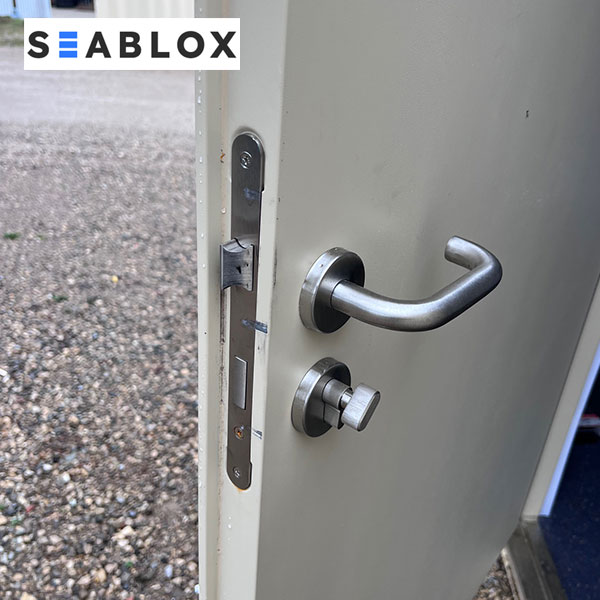
- Integrated mortise lock and deadbolt for improved security
- Full perimeter weather sealing to prevent dust and water intrusion
- Faster installation compared to building a custom door frame
Because these door systems are engineered specifically for container applications, they help avoid many of the problems that occur when adapting standard doors. The result is a cleaner installation, better weather protection, and a more professional finished appearance.
TIP: Many modern container door kits are designed for no-weld installation, allowing the door frame to be secured with rivets instead of welding. This greatly simplifies the installation process and makes container modifications much more accessible for DIY builders and contractors.
How to Install a Door in a Shipping Container
Installing a man door in a shipping container may sound like a complex modification, but with the right tools and a purpose-built door kit, the process can be much simpler than many people expect. Most container door installations follow a clear sequence of steps designed to ensure the opening is properly cut, reinforced, and sealed so the container maintains its strength and weather resistance.
The key to a successful installation is careful preparation. Containers are made from corrugated steel panels that contribute to the structural strength of the unit. When adding a door to a shipping container, it’s important to cut the opening accurately and install a reinforced frame that supports the surrounding structure.
The typical process for installing a door in a shipping container includes the following steps:
Step 1: Mark and Measure the Door Opening
Before cutting the container wall, measure the exact dimensions required for the door frame. Accurate marking ensures the opening aligns properly with the door kit and prevents structural misalignment.
Step 2: Cut the Opening in the Container Wall
Using appropriate cutting tools such as a plasma cutter or angle grinder, carefully cut the marked section of the container wall. The cut edges should remain clean and straight to allow the door frame to sit flush against the container surface.
Step 3: Position the Reinforced Door Frame
Once the opening is created, the pre-built door frame is placed into the cut section. A properly designed frame helps reinforce the opening and restores structural stability to the container wall.
Step 4: Secure the Door Frame
Depending on the door system used, the frame can be welded or secured with rivets or bolts. Many modern container door kits are designed for no-weld installation, allowing the frame to be fastened directly to the container wall.
Step 5: Seal and Finish the Installation
After the door frame is secured, weather sealing and finishing work ensure the installation remains protected from rain, dust, and moisture. Proper sealing also improves long-term durability.
TIP: Precision during the measuring and cutting stages is critical. Even small alignment errors can make door installation more difficult and may affect weather sealing or long-term durability.
Benefits of Using a No-Weld Door Kit for Container Installation
Traditional container modifications often required welding new door frames directly to the container structure. While welding can create a strong connection, it also increases installation complexity and usually requires specialized equipment and professional labor.
Modern container door kits are designed to simplify this process. Instead of welding the frame into place, these systems allow the door frame to be secured with rivets or bolts while still maintaining structural strength. This approach significantly reduces installation time and makes the project more accessible for both contractors and experienced DIY builders.
A no-weld shipping container door kit provides several important advantages:
- Faster installation compared to custom-built welded frames
- Reduced need for specialized welding equipment
- Easier installation for DIY container conversion projects
- Consistent alignment with container wall corrugations
- Reliable weather protection with integrated sealing components
Because these door systems are engineered specifically for container structures, they combine durability with convenience. The result is a door installation that maintains the strength of the container while providing secure and convenient access for everyday use.
TIP: Choosing a door kit designed specifically for container walls helps ensure the frame fits properly within the corrugated steel structure and provides a clean, professional installation without unnecessary fabrication work.
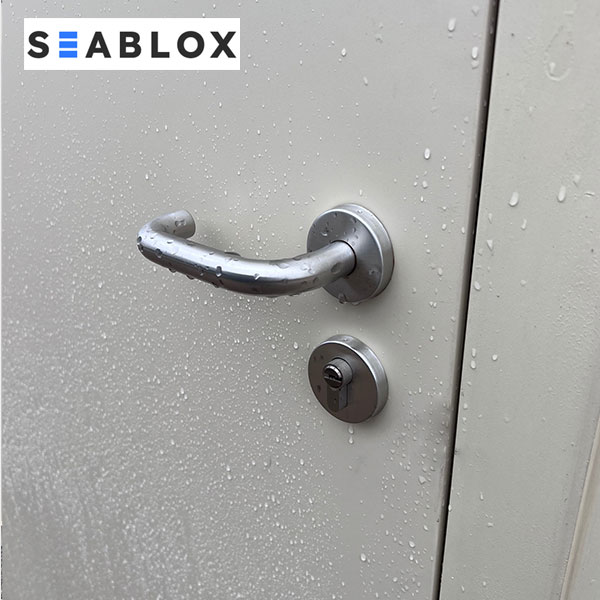
Conclusion: installing a door in a shipping container
Installing a door in a shipping container is one of the most practical upgrades when converting a container for everyday use. While standard cargo doors are designed for transporting goods, they are not always convenient for frequent access. Adding a dedicated entry door makes the container significantly easier to use for storage, workshops, site offices, or other conversion projects where quick and secure access is important.
Choosing a door system designed specifically for container structures also helps simplify the installation process and avoid many common issues associated with adapting standard residential doors. A purpose-built shipping container man door provides proper alignment with container walls, improved weather protection, and reliable security. In addition, modern no-weld door kits make installation faster and more accessible, allowing many projects to be completed with fewer tools and less fabrication work.
Whether the goal is to improve accessibility, increase security, or create a more functional workspace, installing a door in a shipping container can significantly enhance the usability of the structure. With the right door solution and proper installation approach, a container can be transformed into a durable, secure, and practical space for a wide range of applications.